Table of contents
In a world increasingly shaped by innovation, the rise of unlimited AI tools is transforming digital creativity on an unprecedented scale. These powerful resources allow creators to break barriers, experiment endlessly, and push the limits of imagination across various digital domains. Explore how such advancements are redefining the creative process, making it more accessible, efficient, and inspired than ever before.
Expanding creative boundaries
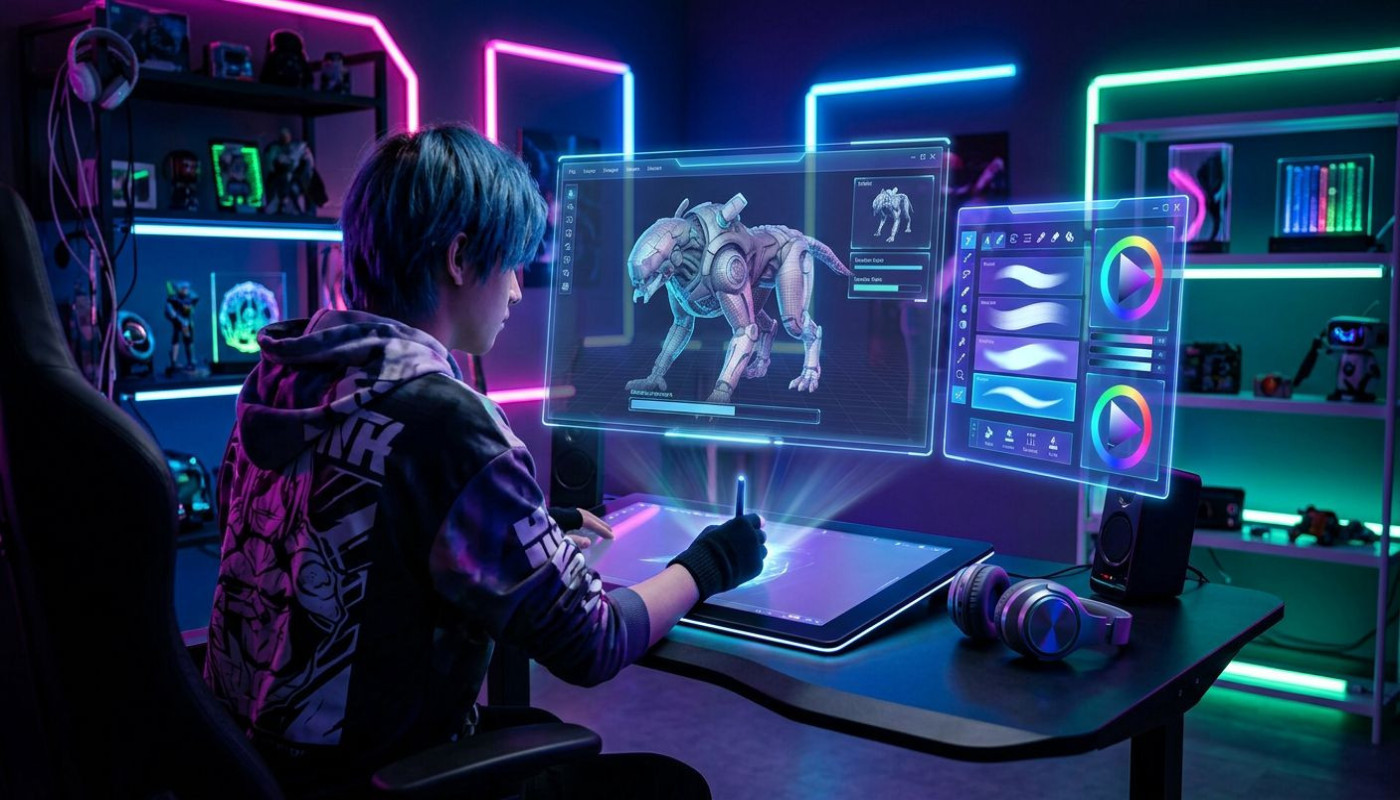
Unlimited AI tools are fundamentally reshaping the creative process by unlocking digital innovation and pushing creative boundaries farther than ever before. With AI-powered design, creators can utilize generative algorithms to quickly produce variations of visual works, music, or written content that would take humans much longer to conceive. This capacity encourages experimentation with novel forms of artistic expression, enabling creatives to discover unexpected patterns, styles, and concepts. By streamlining repetitive or time-consuming tasks, such as image retouching or content adaptation, AI frees up valuable human energy for ideation and refinement, fueling a cycle of continual innovation.
The integration of these tools introduces a new realm of limitless potential for content generation and design. Using advanced generative algorithms, creators can generate unique content tailored to diverse audiences or platforms, facilitating real-time adaptation without sacrificing quality. AI-powered design platforms learn from user interactions, adapting their outputs to better suit individual creative visions and reducing the creative barriers that traditionally slowed the development of compelling digital assets. As the technology evolves, these tools are increasingly able to recognize trends, suggest enhancements, and even anticipate needs, pushing digital innovation into unexplored territories.
For digital agencies and independent creators alike, the result is an environment where experimentation is not just possible but encouraged. AI-driven tools enable rapid prototyping, A/B testing, and iterative refinement, all crucial for pushing creative boundaries and achieving standout digital experiences. The infusion of generative algorithms into the creative workflow cultivates an ecosystem where originality thrives, empowering digital professionals to deliver solutions that resonate in a crowded, ever-evolving marketplace. This synergy between human ingenuity and AI-powered technology is defining the future of digital creativity and establishing new benchmarks for what can be achieved in the creative process.
Streamlining the workflow
Unlimited AI tools have revolutionized workflow optimization within the digital creative landscape, driving unprecedented efficiency and agility. By leveraging workflow automation, these productivity tools handle monotonous processes such as file organization, version control, and basic editing, allowing creative professionals to redirect their focus towards innovative aspects of their projects. With instant feedback on everything from design layouts to written content, AI technologies significantly accelerate content creation speed while minimizing the risk of human error. This seamless integration of AI efficiency empowers teams to maintain a consistently high output while elevating the quality and originality of their work. As a result, digital creativity flourishes, as individuals dedicate more time to developing complex concepts and making strategic, higher-level decisions, rather than being bogged down by routine tasks. This transformation underscores the vital role that AI-driven productivity tools now play in shaping a more agile and inventive creative workflow.
Enabling collaboration at scale
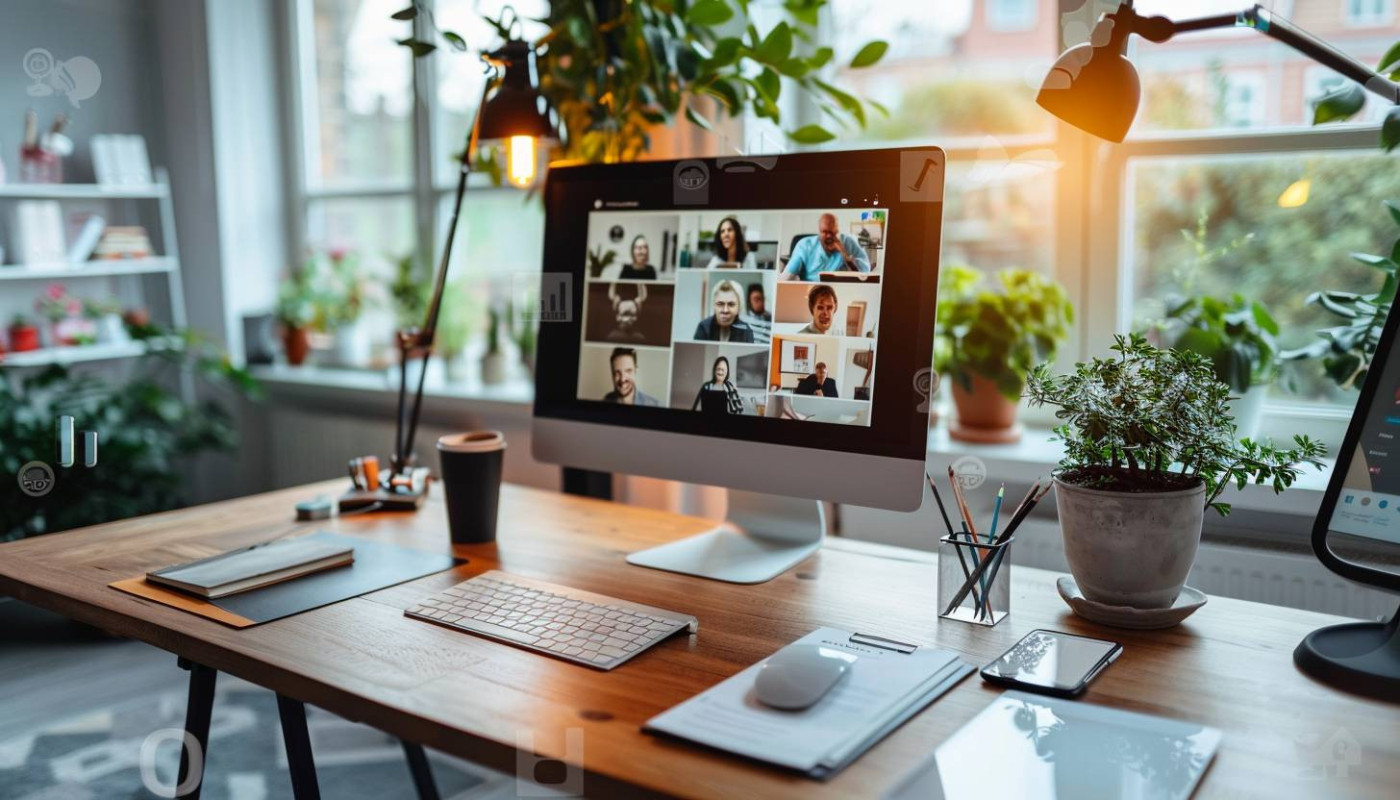
Unlimited AI tools are transforming the landscape of remote collaboration for creative teams by leveraging advanced collaborative tools and cloud-based platforms. These technologies allow members to participate in collective brainstorming sessions from anywhere in the world, enabling a seamless exchange of ideas without the constraints of physical location. Real-time editing features empower teams to make instant adjustments to projects, ensuring that feedback is integrated promptly and all contributors remain aligned throughout the creative process. Enhanced communication channels within these platforms bridge gaps between departments and disciplines, fostering a unified workflow that amplifies team creativity. Under the guidance of a Head of Creative Collaboration Technologies, organizations can select and implement these tools to maximize efficiency, maintain project cohesion, and accelerate the development of innovative concepts across distributed teams.
Personalizing user experiences
Unlimited AI tools have revolutionized the way creators approach digital personalization, enabling them to harness user data and preferences for highly tailored experiences. By leveraging AI-driven content and predictive analytics, designers and content creators can anticipate user needs, offering personalized experiences that resonate on a deeper level. This approach not only boosts audience engagement but also increases user retention, as individuals are more likely to return to platforms that understand and adapt to their unique interests. A Director of User Experience Design would point out that user-centric design, powered by advanced AI, allows for continuous refinement of interfaces and content based on real-time feedback, which directly enhances user satisfaction and loyalty.
Digital personalization extends beyond surface-level changes, integrating behavioral insights and demographic data to create dynamic interfaces that evolve with each interaction. AI tools facilitate the segmentation of audiences, delivering targeted messages and features that foster meaningful connections. Such adaptability ensures that digital products remain relevant and compelling, leading to stronger emotional bonds between users and platforms. Enhanced audience engagement is a direct result of these innovative strategies, as users perceive a higher value in services that cater specifically to their preferences.
For organizations aiming to maintain a competitive edge, AI-driven content creation is a game changer. Real-time customization of media, recommendations, and design elements significantly improves the perceived quality of digital products. This dynamic approach can be seen in leading online platforms and creative agencies, where predictive analytics continually inform the evolution of user interfaces. As seen on platforms like article source, which offers insights into the latest advancements and trends in digital creativity, integrating AI-powered personalization is now fundamental for brands seeking to engage modern, discerning audiences.
Ultimately, the fusion of unlimited AI tools with user-centric design principles equips creators with the capabilities to deliver digital experiences that are both memorable and meaningful. The continuous loop of data collection, analysis, and adaptation ensures that content remains relevant and engaging over time. As AI technology advances, the potential for personalized experiences will only expand, setting new standards for digital personalization and audience engagement across industries.
Democratizing creative opportunities
Unlimited AI tools are revolutionizing creative accessibility by equipping individuals and organizations with resources that were once reserved for specialized professionals or large enterprises. Open-source frameworks, combined with intuitive AI-driven platforms, enable users from diverse backgrounds to experiment with design, illustration, music composition, and content generation without the need for extensive technical training. This democratizing technology is particularly transformative for education, as students and educators can now access advanced creative tools that facilitate learning and self-expression. Freelance creators and small businesses benefit from inclusive design principles embedded within these solutions, empowering them to compete on a larger stage and deliver high-quality digital content at a fraction of traditional costs.
By lowering barriers to entry, AI tools for creators support digital empowerment across global communities, making innovation more attainable. The widespread availability of these technologies means that aspiring artists, entrepreneurs, and educators can leverage sophisticated functionalities previously limited to those with significant financial or institutional backing. As highlighted by innovation policy experts, this expanded access drives a more equitable creative economy, enriching cultural diversity and sparking new forms of collaboration. The shift towards open and inclusive digital creation holds significant promise for shaping future trends in both the creative industries and broader technology landscapes.
Similar articles

Can A Shape Be Owned? Exploring The Boundaries Of Design Protection

Lost In Translation: Why Sales Teams Misread Ai Adoption Signals

How Stable Diffusion Is Shaping The Future Of Digital Imagery

How To Tailor Digital Project Management For Diverse Client Needs

Leveraging micro niches for business growth untapped market opportunities and how to identify them
How Integrating Chatbots With CRM Enhances Customer Relationships
Leveraging long-tail keywords for niche audience growth in the digital marketing landscape
Exploring The Latest Trends In Online Store Optimization Tools

How A Free Email Verification Tool Enhances Business Communication Efficiency